
Reviewed · WORKSHOPS
Puerto Rican Gastronomy Cooking Class
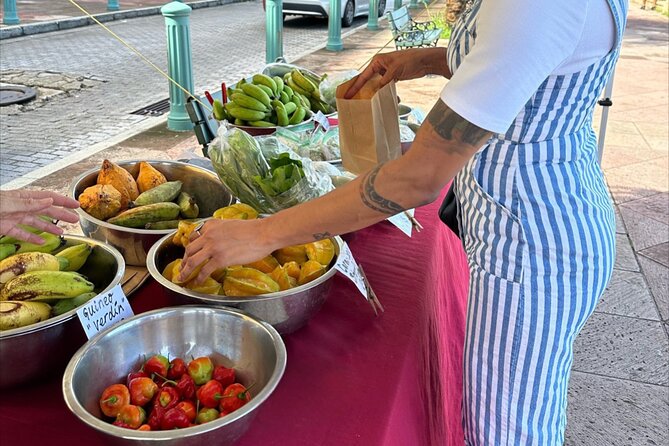
Puerto Rican food makes the most sense when you see where its ingredients begin. This three-and-a-half-hour class starts at a local farmers market, where you choose Caribbean staples with a chef and learn how food connects to island life, farming, and family tradition.
I like the market visit because it gets you talking with local vendors instead of simply watching a cooking demonstration. I also like that the welcome cocktail, lunch, appetizer, dessert, apron, and cooking tools are included. The main caution is group size: the class can hold up to 16 people, and one past session felt overbooked.
In This Review
- Key points to know before booking
- Starting with ingredients at a San Juan farmers market
- Turning market finds into a traditional dish
- Lunch, a welcome cocktail, and dessert
- What the chef adds to the experience
- Group size, pace, and the overbooking concern
- Walking, stairs, and the morning schedule
- Who will enjoy this class most
- Is $167 a fair price?
- Booking, dietary needs, and cancellation
- Should you book the Puerto Rican Gastronomy Cooking Class?
- FAQ
- Where does the cooking class start?
- Where does the activity end?
- How long does the Puerto Rican cooking class last?
- Is lunch included?
- Are drinks included?
- Can dietary restrictions or food allergies be accommodated?
- How many people are in the class?
Key points to know before booking
- The market visit comes first: You select ingredients, meet local vendors, and hear about Puerto Rican agriculture before cooking.
- You cook the food yourself: This is an active lesson, not a show where you sit and watch a chef do all the work.
- Culture is part of the meal: Your chef explains the meaning and background of the dish as you prepare it.
- Lunch and drinks are included: You receive a welcome cocktail, snacks, dessert, and the meal you help prepare.
- The group may be large: The maximum is 16 people, and the class needs at least 9 participants to operate.
- Ask about the secret dessert recipe: The description specifically invites you to request it from your chef.
Starting with ingredients at a San Juan farmers market
The class begins at 9:00 a.m. at Tótem Telúrico in San Juan. From there, you meet your local chef and head into the food market portion of the morning. This is an important choice in the design of the experience. Instead of presenting Puerto Rican cuisine as a finished plate, the class starts with the raw materials and the people who sell them.
You will choose the ingredients for the day, with the chef explaining the role of staple foods and the way they are used in Caribbean cooking. You also have a chance to speak with local vendors. That simple exchange gives the market stop a human side. You are not just looking at produce. You are learning how ingredients move from local farms and stalls into home kitchens.
The market is also where the class connects food with Puerto Rico’s agricultural practices. The information provided does not promise a fixed list of vendors or ingredients, so you should expect the exact selection to depend on what is available that day. That uncertainty is part of the appeal, but it also means the menu may not be identical from one class to the next.
I like this part most for people who want context. You may already know a Puerto Rican dish from a restaurant menu, but seeing the ingredients before they are chopped, seasoned, and cooked gives the food a clearer place in daily life. It also helps you understand why the chef chooses certain items for the lesson.
A few more San Juan trips to weigh up
- Modern Puerto Rican Cooking Class in a Historic San Germán Home
★ 5.0 · 17 reviews
Turning market finds into a traditional dish
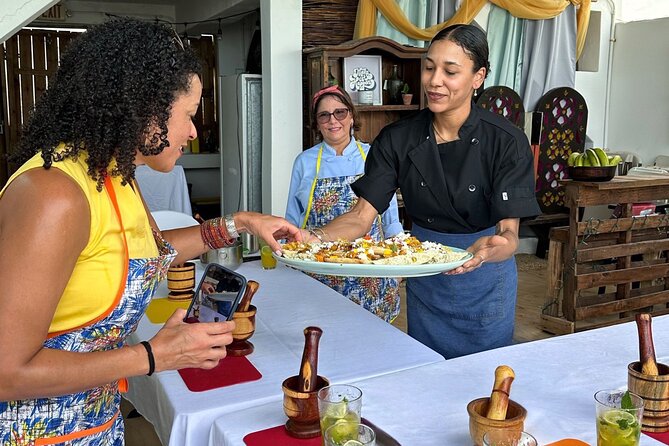
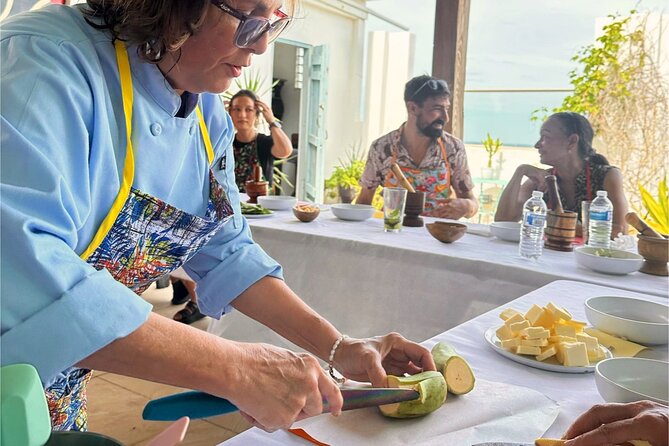
After the market, you move on to the cooking lesson. The chef works with you to prepare the ingredients and explains the cultural meaning of the dish while you cook. You will follow family recipes, learn new techniques, season the food, and make an authentic Puerto Rican dish with your own hands.
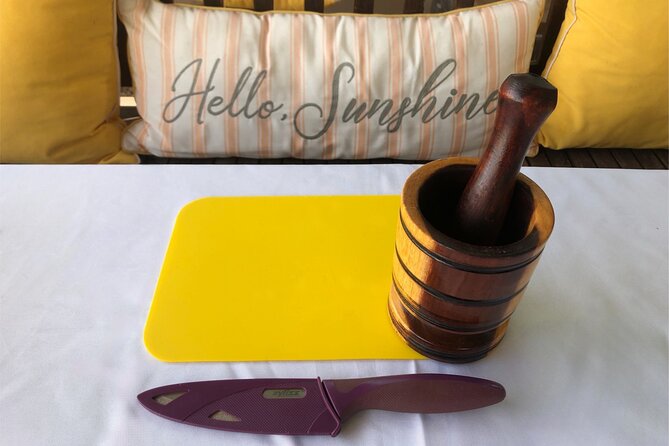
The wording here matters: this is not just a class about Puerto Rican food. You are expected to take part. You should be ready to roll up your sleeves, handle ingredients, and follow instructions. All the basic equipment is supplied, including utensils, cooking basics, and aprons, so you do not need to bring cooking gear.
The menu is not specified in advance, which gives the class a local and flexible feel. It also means you should not book it expecting one exact dish unless the provider confirms the menu before your visit. The best reason to choose this experience is the process: selecting the ingredients, hearing the story behind the food, and then preparing it yourself.
A good cooking class should leave you with more than a full stomach. Here, the cultural explanation is built into the work. As you season and prepare the dish, the chef talks about family recipes and traditions passed down through food. That connection can make familiar ingredients feel less like a shopping list and more like part of Puerto Rico’s story.
One past participant specifically praised the way the history and food discussion came before the cooking. That order helps set the scene. You receive the background first, then see how it appears in the dish.
Lunch, a welcome cocktail, and dessert
The food you prepare becomes part of lunch, and the package also includes snacks, an appetizer, and dessert. You receive a welcome alcoholic cocktail when you arrive. Since both the cooking and the meal are included, the $167 price covers more than a short demonstration.
I would look at the cost in the context of the full morning. You are paying for a market visit, a local chef, ingredients, instruction, cultural discussion, equipment, drinks, and a meal. If you want only a quick cooking lesson, the price may feel high. If you want a combined food, market, and culture experience in San Juan, the inclusions make the fee easier to justify.
The dessert is a small but appealing detail. You are encouraged to ask the chef for the secret dessert recipe. That may be the most useful souvenir of the day, especially since a recipe can travel home with you in a way a restaurant meal cannot.
The class includes alcoholic beverages, but the supplied details only specify a welcome cocktail. If you do not drink alcohol, or if you need a nonalcoholic option, ask ahead of time. Do not assume the drink service is unlimited.
What the chef adds to the experience
The chef is the key to this class. The provider describes the instructor as a local chef and a friend, with a focus on heritage, family recipes, agricultural practices, and the cultural role of food. One past participant singled out Patricia as a warm and effective teacher and hoped she would continue teaching the class.
You should not assume Patricia leads every date, since the general information does not guarantee a named instructor. Still, her mention gives you a useful picture of the teaching style you may encounter: personal, encouraging, and focused on making the food yourself.
The class is likely at its best when you ask questions. Ask why a particular ingredient matters, how the dish is served at home, and what changes from family to family. Ask for the dessert recipe. The experience is designed for conversation, not just instruction, so quiet observation would leave part of its value unused.
The chef also handles dietary restrictions and food allergies when notified at least 24 hours ahead. That is a meaningful strength. You should provide clear details when booking, rather than waiting until the market or kitchen. The information says the team is happy to accommodate restrictions, but it does not list a guaranteed substitute menu, so advance notice is essential.
Same island, a completely different day out:
- San Juan Guided Snorkel With Turtles Tour and Videos
★ 5.0 · 12,947 reviews - Top Rated El Yunque Rainforest & Waterslide – SmallGroup Tour
★ 5.0 · 12,789 reviews - Night Kayak – Condado City Lights Tour
★ 4.5 · 4,807 reviews - Authentic Flavors of San Juan Food Tour
★ 5.0 · 4,741 reviews
Group size, pace, and the overbooking concern
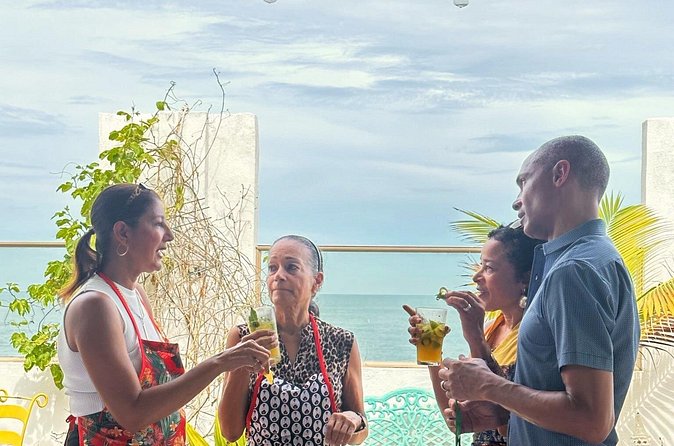
The maximum group size is 16 people, and the class requires at least 9 participants to run. This creates two practical points to weigh.
A minimum of 9 people means the class may be cancelled if too few people book your date. If that happens, you will be offered another date or experience, or receive a full refund. That policy protects you financially, but it can still disrupt a tightly planned morning in San Juan.
The maximum of 16 is not enormous, but it is large for a hands-on kitchen lesson. One past participant enjoyed the farmers market and learned a lot, yet felt the group was too big. That is the clearest warning in the available feedback. If everyone needs to chop, season, ask questions, and work near the chef, space and attention can become limited.
The class also offers private experiences on request. If you are celebrating a birthday, organizing a bachelorette party, or want more direct time with the chef, ask about that option before booking. A private format may suit your group better, though no private price or exact arrangements are provided.
The positive side of a shared class is the social setting. A group of four friends used the experience for a bachelorette celebration and found it a strong fit for the occasion. Cooking together gives a group something concrete to do, instead of relying on conversation alone.
Walking, stairs, and the morning schedule
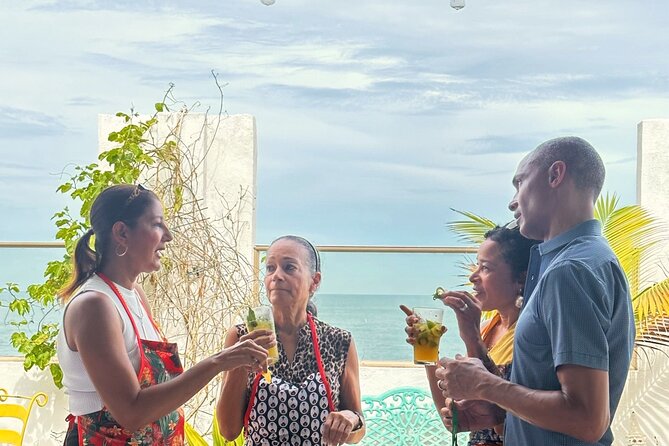
Plan for a morning with some walking. The activity requires walking up and down a flight of stairs, along with walking between parts of the experience. Private transportation is not included, and no air-conditioned vehicle is provided.
The starting point is Tótem Telúrico in San Juan, and the activity ends back at the same meeting point. The location is near public transportation, which helps if you are staying elsewhere in the city. You should still allow enough time to reach the start for 9:00 a.m., since the supplied details do not include hotel pickup.
Comfortable shoes make sense. You are visiting a market, handling ingredients, and moving through the experience rather than sitting in one place. The information does not provide a detailed accessibility assessment, so anyone concerned about stairs or extended standing should contact Atelier Sazon before booking.
The total duration is about 3 hours and 30 minutes. That is long enough for the market, cooking, and meal without taking your entire day. I would keep the afternoon flexible, since the exact pace may depend on the market stop, the size of the group, and the time needed to prepare lunch.
Who will enjoy this class most
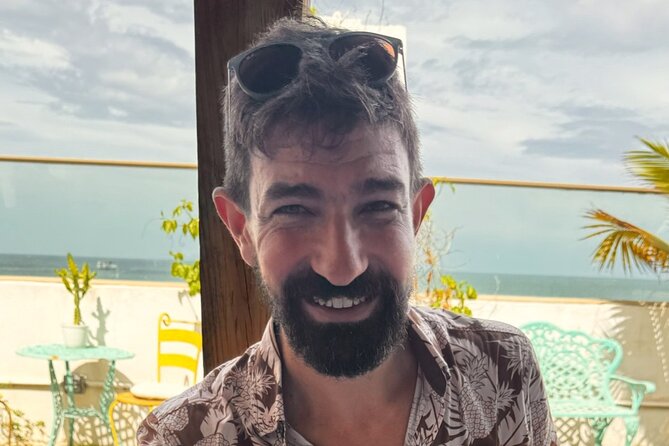
I would choose this experience if you want food to be your way into Puerto Rican culture. It suits people who enjoy meeting local vendors, asking questions, learning family cooking methods, and eating what they have helped prepare.
It is also a strong match for a small celebration. A birthday or bachelorette group can share the market visit and cooking tasks, and the included meal keeps the morning self-contained. The welcome cocktail gives the occasion a festive start without requiring you to arrange a separate restaurant booking.
Families and mixed-interest groups may also find it useful, provided everyone can manage the walking and stairs. People who dislike group cooking classes, prefer a quiet meal, or want a guaranteed private lesson should ask about the private option.
This is less suitable if you want a fixed menu, a short activity, or a purely passive food tour. The class depends on participation. You will get more from it if you are willing to handle ingredients, listen to the chef, and take part in the conversation.
Is $167 a fair price?
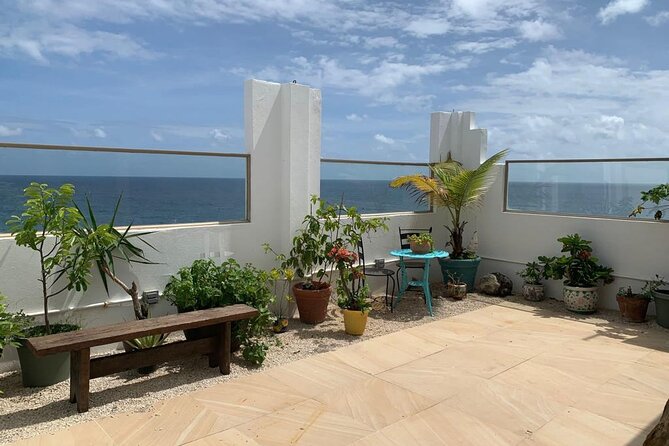
At $167 per person, this is a premium half-day food experience. The cost includes several elements that are often charged separately: a market visit, a chef-led lesson, ingredients, cooking equipment, a welcome cocktail, snacks, an appetizer, dessert, and lunch.
The value depends on how you would otherwise spend the morning. If you would visit a market, eat lunch, and pay for a cooking lesson separately, the combined price may be reasonable. If your main goal is simply to eat a traditional dish, you can likely find less expensive ways to do that, though they would not include the market and hands-on lesson.
I would also consider the size of your group. Sixteen people at the same price may feel less personal than a smaller class. The strong praise for the food, cultural setting, and teacher is balanced by the warning about overbooking, so I would ask Atelier Sazon how many people are scheduled for your date if that matters to you.
Booking, dietary needs, and cancellation
You receive confirmation at booking, and the ticket is mobile, which keeps arrival simple. Tell the provider about food allergies or dietary restrictions at least 24 hours in advance. That deadline matters because the team needs time to plan the ingredients and menu.
You can cancel for a full refund up to 24 hours before the 9:00 a.m. start time. Cancellations or changes made less than 24 hours ahead are not refunded or accepted. The cut-off uses San Juan local time.
The minimum group requirement deserves one last note. If the class does not reach nine participants, it may be cancelled, and you will receive a full refund or an alternative date or experience. Keep that in mind when placing the class next to flights, tours, or other fixed plans.
Should you book the Puerto Rican Gastronomy Cooking Class?
Book it if you want to understand Puerto Rican food by shopping for ingredients, hearing the cultural story, and cooking the meal yourself. The market visit, inclusion of lunch and drinks, and chance to learn family recipes give the morning real substance.
I would be more cautious if you need a small class or have a strict schedule. The class can hold 16 people, and one past session felt crowded. Ask about the expected group size, confirm dietary arrangements at least a day ahead, and request the private option if personal attention matters most.
For food-focused visitors, this is a useful San Juan choice. You leave with a meal, new cooking skills, a better sense of local ingredients, and perhaps a secret dessert recipe. Just book it with realistic expectations about group size and active participation.
FAQ
Where does the cooking class start?
The class starts at Tótem Telúrico in San Juan, Puerto Rico, at 9:00 a.m.
Where does the activity end?
The activity ends back at the original meeting point.
How long does the Puerto Rican cooking class last?
The experience lasts approximately 3 hours and 30 minutes.
Is lunch included?
Yes. Lunch, snacks, an appetizer, and dessert are included.
Are drinks included?
Yes. You receive a welcome alcoholic cocktail when you arrive.
Can dietary restrictions or food allergies be accommodated?
Yes. You should provide details about dietary restrictions or food allergies at least 24 hours before the experience.
How many people are in the class?
The activity has a maximum of 16 participants and requires at least 9 participants to operate.
Just added around San Juan
- eFoil Lesson Old San Juan★ 5.0 · 5 reviews
- Private Windsurf Experience in Puerto Rico★ 5.0 · 7 reviews
- “Unique Tour” Loiza, Cultue, Art & Bomba Dance Class on The Beach★ 5.0 · 22 reviews
- Window Cave and Indian Cave private tour with an archaeologist as guide★ 4.5 · 9 reviews
- Authentic San Juan Guided Walking Food Tour with Pina Colada★ 5.0 · 3 reviews
- El Yunque Rainforest- Water Slide, Luquillo Beach Guided Tour★ 4.5 · 29 reviews
- Private Wellness Tour of Puerto Rico Waterfalls and Hot Springs★ 5.0 · 5 reviews
- Private Transportation from San Juan to Dorado or VIceversa Puerto Rico SJU★ 4.0 · 4 reviews
Workshops, compared.
Mixology Class at Casa BACARDÍ in Puerto Rico
Read our review →
Salsa Dance Class in San Juan – Learn from Local Experts
Read our review →
Beginner to Advanced Salsa Dance Class in San Juan, PR
Read our review →
Afro Puerto Rican Folklore Bomba Class and Live Music
Read our review →
Snorkeling Lesson & Interactive Experience for Kids and Adults
Read our review →
2-Tank Scuba Boat Trip in World-Class Sites @ Copamarina
Read our review →Browse the lists this tour appears in